Gobi Desert 100 is a 100km ultra marathon in Dunhuang, China. Distance: 100km. Elevation: 1,200m D+. Difficulty: challenging (Challenge Rating 34/100). DNF rate: 15%. Time limit: 24h. Surface: sand. Established 2014.
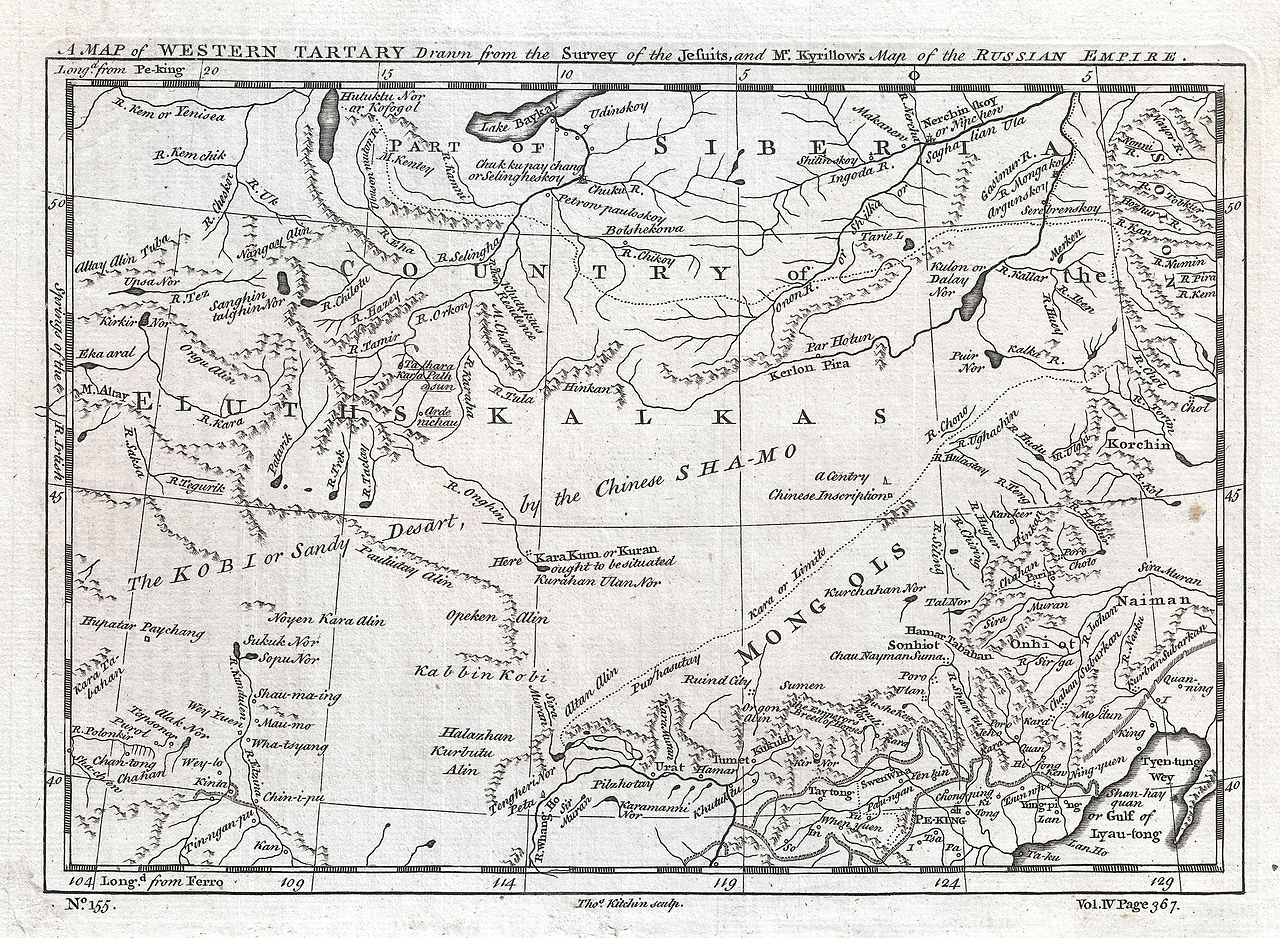
Gobi Desert 100
Dunhuang, Gansu, China
"100km through the Gobi Desert — Silk Road history and singing sand dunes."
A 100km desert run near the Silk Road city of Dunhuang.
The Course
A desert ultra through the Gobi — not the sandy dunes of imagination but a vast expanse of rocky steppe, wind-scoured gravel plains, and dried lake beds under the biggest sky in Central Asia. The course crosses terrain that has been essentially unchanged for millions of years, passing Silk Road ruins, dinosaur fossil sites, and nomadic herder camps. The footing alternates between hard-packed gravel (fast but punishing), loose scree (ankle-turning), and soft sand sections in the dune margins. Night running in the Gobi is extraordinary — the light pollution is near zero, and the Milky Way stretches overhead in a band bright enough to cast shadows.
rolling
loop
6
Runner Experience
Remote course with widely spaced aid points. Runners should be prepared for long unsupported stretches.
Intimate finish in a remote setting. The camaraderie of shared hardship creates deep bonds between finishers.
Race Day Weather
22°C
8° – 35°
15%
3%
Gobi spring — hot days, cold nights. Extreme dryness.
Stats & Records
2014
200
16:00:00
Entry
CNY 2800
October
months
Lore & Trivia
Ultra Trail Gobi crosses sections of the Gobi Desert in Mongolia or China — a vast expanse of rocky steppe, sand dunes, and dried riverbeds under the biggest sky in Asia. The Gobi is not the sandy desert of imagination — it's largely rocky, wind-scoured plateau — but the emptiness and scale are overwhelming. Running here strips away every distraction and leaves only the fundamental question: can you keep moving through this vast, indifferent landscape?
- ▸ Dunhuang is the historic gateway to the Silk Road.
- ▸ The Mingsha Sand Dunes are known for their 'singing sands'.
- ▸ Crescent Moon Spring has survived in the desert for over 2,000 years.
- ▸ Established in 2014.
- ▸ Total elevation gain: 1200m.
The Gobi stretches to infinity in every direction. After 100km, you start to feel the earth is flat again.
Notable Editions
Gobi Wind Storm
Fierce Gobi winds — a regular feature of the steppe — hit during the long stage, sandblasting runners and reducing visibility. The rocky terrain that usually provides stable footing became treacherous as windblown sand accumulated in gullies.
Compare with another race
Similar Races
17 MAY 2026
Gaoligong by UTMB
Tengchong, China
27 JUN 2026
Gobi March
Hami, China
27 JUN 2026
Gobi March (4 Deserts)
Jiayuguan, China

9 MAY 2026
Great Wall Marathon Ultra
Huangyaguan, China
Frequently Asked Questions
How long is Gobi Desert 100? +
Gobi Desert 100 is a 100km (100km) ultra marathon with 1,200m of elevation gain. The course is loop on sand terrain.
How hard is Gobi Desert 100? +
Gobi Desert 100 is rated challenging with a Challenge Rating of 34/100 (Moderate). The DNF rate is 15%. Runners have 24 hours to finish.
What is the weather like at Gobi Desert 100? +
Average temperature is 22°C (range 8°C to 35°C) with 15% humidity and a 3% chance of rain. Gobi spring — hot days, cold nights. Extreme dryness.
Are crew and pacers allowed at Gobi Desert 100? +
No crew access is permitted. Pacers are not allowed. Mandatory gear is required.
What is the average finish time for Gobi Desert 100? +
The average finish time is 16:00:00. About 200 runners finish each year. The DNF rate is 15%.
Are you the organizer? Claim this race
Stay in the loop
New races, course records, and stories from the trail — monthly