Gobi March (4 Deserts) is a 250km / 7 stages ultra marathon in Jiayuguan, China. Distance: 250km. Elevation: 2,000m D+. Difficulty: brutal (Challenge Rating 51/100). DNF rate: 15%. Time limit: 168h. Surface: sand. Established 2003.
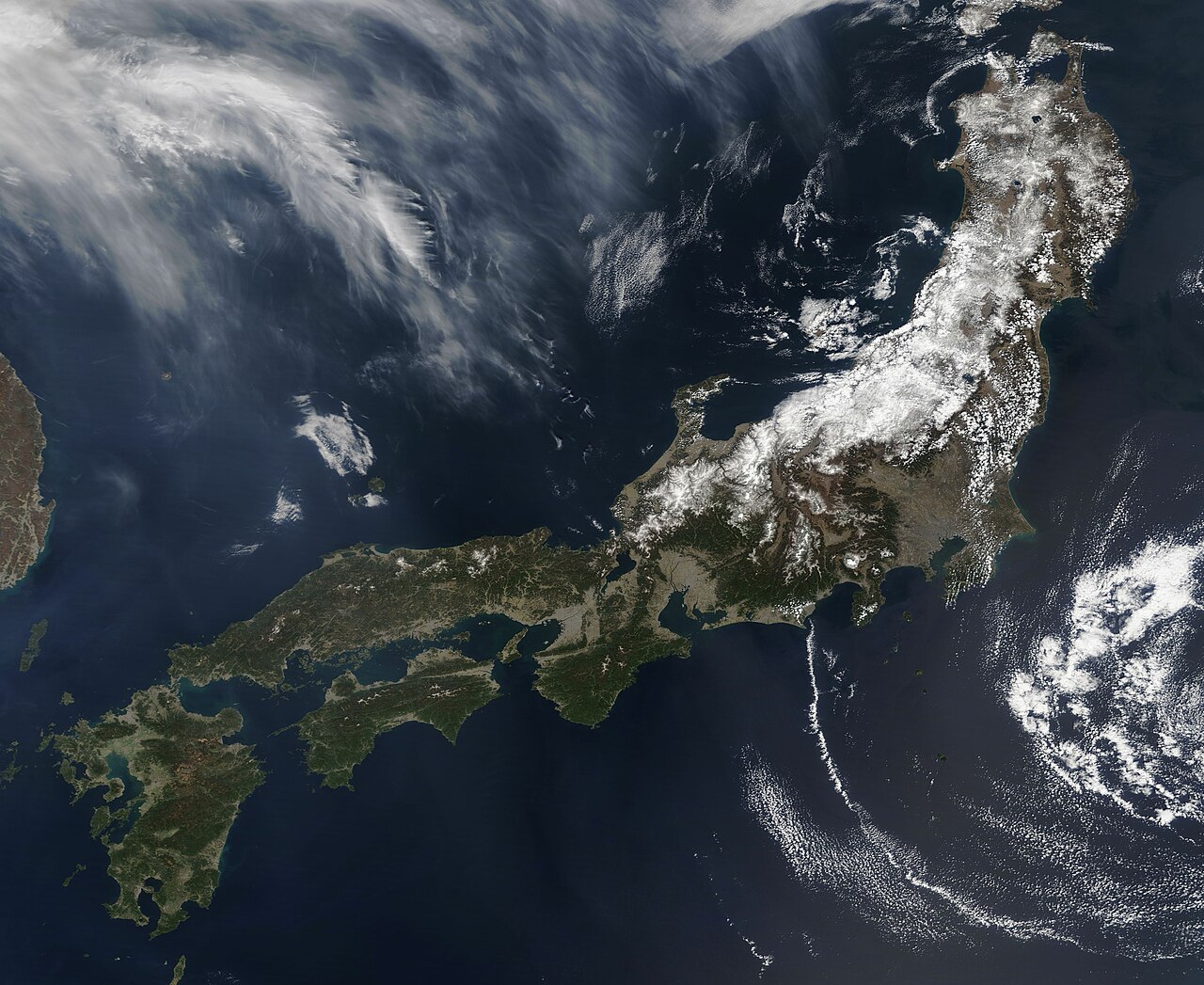
Gobi March (4 Deserts)
Jiayuguan, Gansu, China
"250km across the Gobi Desert. Ancient Silk Road, the Great Wall's end, and China's vast stony desert."
Part of the 4 Deserts series — 250km self-supported through the Gobi, past the Great Wall's western terminus on ancient Silk Road routes.
The Course
A 250km self-supported multi-stage race through the Gobi Desert in China. The course follows ancient Silk Road routes past the western end of the Great Wall, through wind-eroded landforms, and across vast stony desert plains. Less sandy than the Sahara but more remote.
rolling
point-to-point
Runner Experience
Self-supported race — runners carry all supplies. Checkpoints for timing and safety only.
A legendary finish line atmosphere. Gobi March (4 Deserts) is a bucket-list race with celebrations that match its reputation.
Race Day Weather
22°C
8° – 38°
15%
3%
Gobi summer — extreme heat during the day, cool nights. Very dry air. Intense solar radiation.
Stats & Records
2003
100
5:12:00:00
Entry
USD 4,000
September
months
Lore & Trivia
Run on the Tibetan Plateau — the "Roof of the World" — at an average elevation above 4,000m, this ultra is one of the highest-altitude races in existence. The thin air reduces oxygen availability by 40% compared to sea level, turning a moderate distance into an extreme physiological challenge. The landscape is vast high-altitude grassland stretching to snow-capped peaks on every horizon. Yak herders and Tibetan monasteries dot the route. Few ultras on earth feel as remote or as spiritually vast.
- ▸ The course passes the western terminus of the Great Wall at Jiayuguan — the 'mouth of China.'
- ▸ The 4 Deserts series challenges runners to complete races in the Gobi, Sahara, Atacama, and Antarctica.
- ▸ Wind-eroded rock formations called 'yardangs' create an alien landscape along parts of the course.
- ▸ The Gobi is one of the world's largest deserts yet receives occasional snow in winter.
The Tibetan Plateau at 4,500 metres — the air has 60% of the oxygen you're used to. Your body learns new limits.
Notable Editions
The Highest Finish Line
The 2019 course modification pushed the finish altitude above 4,500m, making it one of the highest finish lines of any ultra marathon on earth. Runners crossed the line gasping, many unable to celebrate — the altitude had taken everything.
Compare with another race
Similar Races
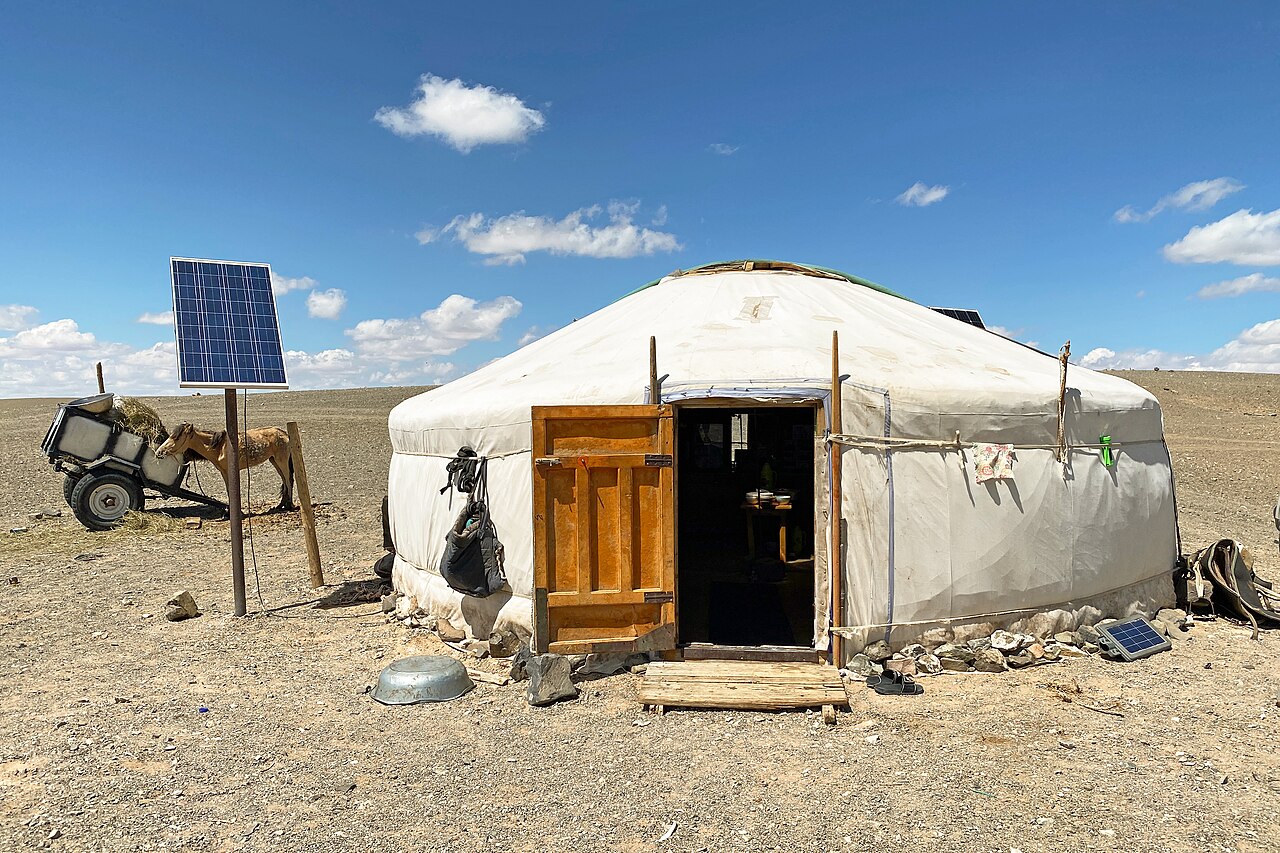
27 JUN 2026
Gobi March
Hami, China
17 MAY 2026
Gaoligong by UTMB
Tengchong, China
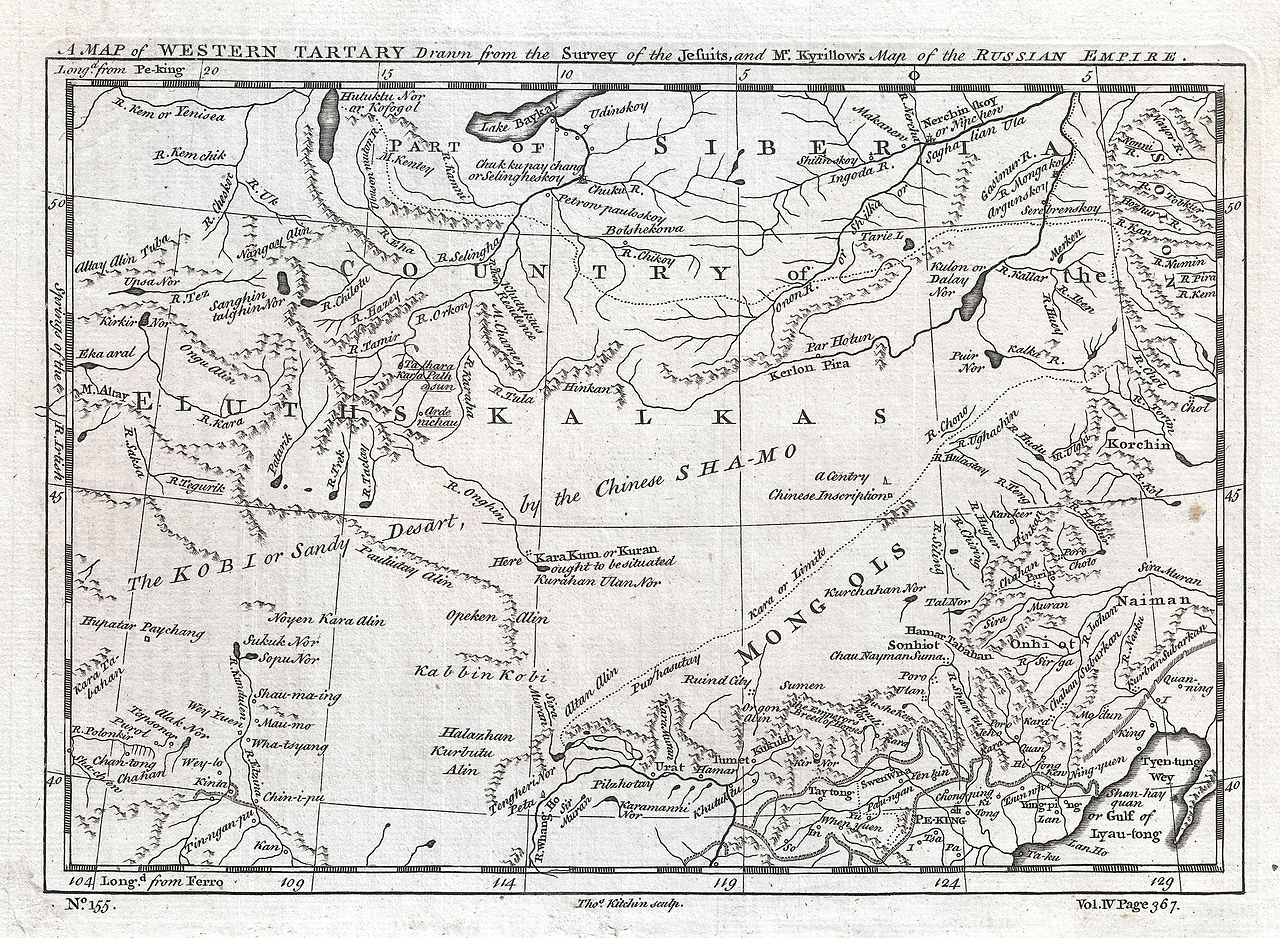
27 JUN 2026
Gobi Desert 100
Dunhuang, China

9 MAY 2026
Great Wall Marathon Ultra
Huangyaguan, China
Frequently Asked Questions
How long is Gobi March (4 Deserts)? +
Gobi March (4 Deserts) is a 250km / 7 stages (250km) ultra marathon with 2,000m of elevation gain. The course is point-to-point on sand terrain.
How hard is Gobi March (4 Deserts)? +
Gobi March (4 Deserts) is rated brutal with a Challenge Rating of 51/100 (Challenging). The DNF rate is 15%. Runners have 168 hours to finish.
What is the weather like at Gobi March (4 Deserts)? +
Average temperature is 22°C (range 8°C to 38°C) with 15% humidity and a 3% chance of rain. Gobi summer — extreme heat during the day, cool nights. Very dry air. Intense solar radiation.
Are crew and pacers allowed at Gobi March (4 Deserts)? +
No crew access is permitted. Pacers are not allowed. Mandatory gear is required.
What is the average finish time for Gobi March (4 Deserts)? +
The average finish time is 5:12:00:00. About 100 runners finish each year. The DNF rate is 15%.
Are you the organizer? Claim this race
Stay in the loop
New races, course records, and stories from the trail — monthly