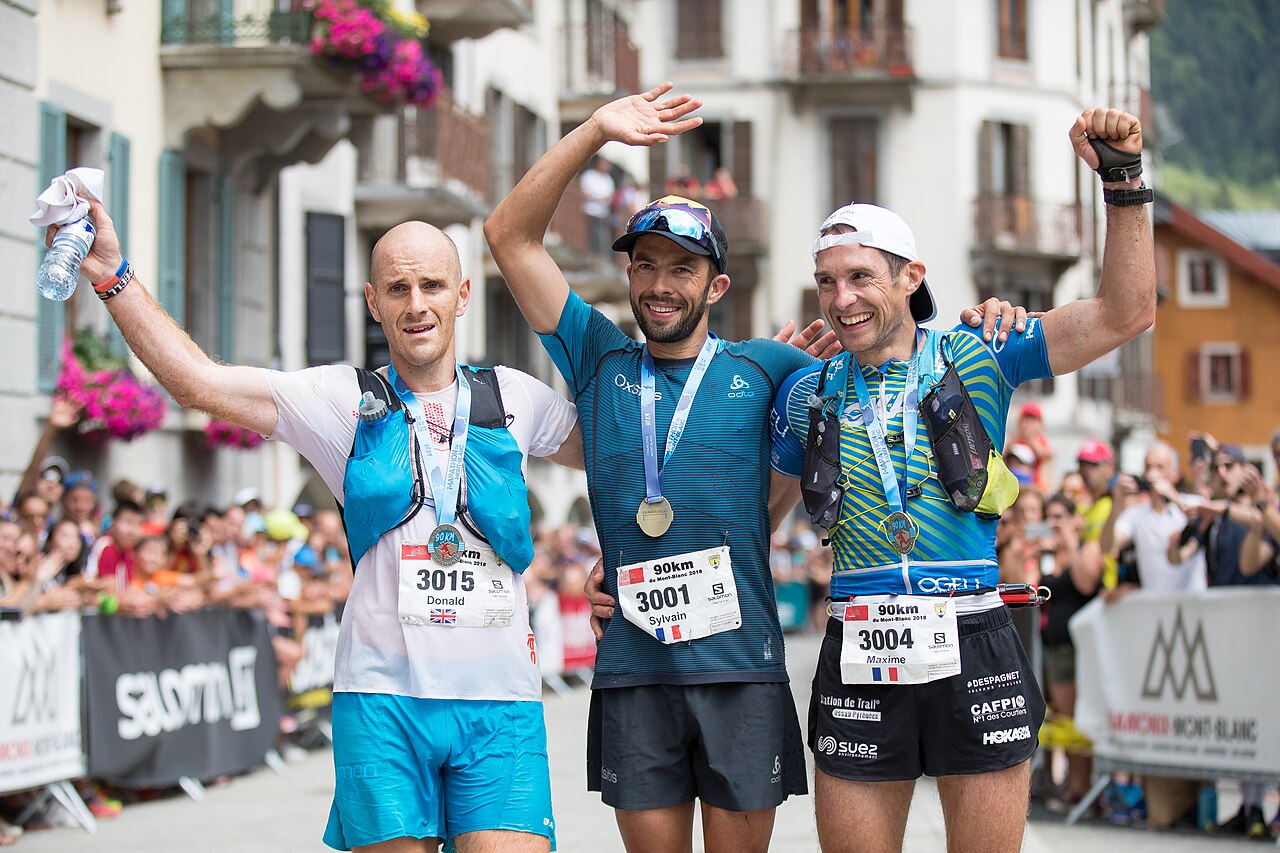
90km du Mont-Blanc
Chamonix, Haute-Savoie, France
"An 88 km loop with 6,200 m of climbing around the Chamonix valley, crossing into Switzerland at Emosson, with a 24-hour limit."
Challenge Rating
Score Breakdown
Based on distance, vertical gain per km, terrain difficulty, weather extremes, historical DNF rate, and race format.
90km du Mont-Blanc is a 88km ultra marathon in Chamonix, France. Distance: 88km. Elevation: 6,200m D+. Difficulty: challenging (Challenge Rating 63/100). DNF rate: 36%. Time limit: 24h. Surface: trail. Established 2013.
A one-day alpine loop from Chamonix through France and Switzerland, with 6,200 m of climbing, a 1,000-runner cap and mandatory gear checked at bib pickup.
The Course
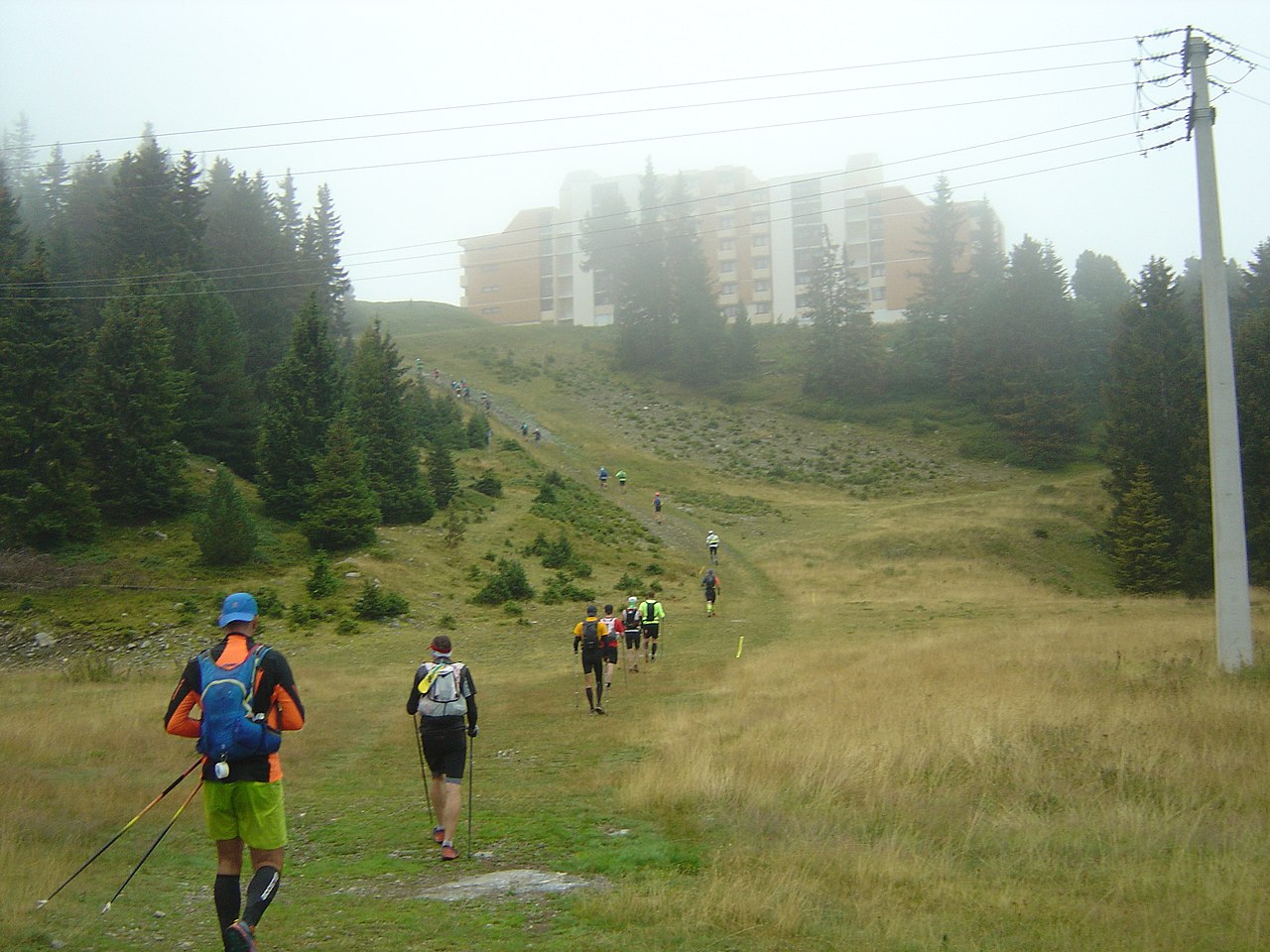
The 90km du Mont-Blanc is a semi-autonomous mountain ultra that starts and finishes in Chamonix, France. The organiser lists 88 km and 6,200 m of climbing and descent, and its route table gives 88.8 km. From the Place du Triangle de l'Amitié the loop climbs to the Brévent and Planpraz, continues to La Flégère, crosses the Col des Montets to Le Buet and goes over the Col du Passet to the Emosson dam in Switzerland. After Le Châtelard it climbs past the Catogne alp, the Tête de Balme and the Col des Posettes to Le Tour, then runs through Les Bois, up to Montenvers and Le Signal, and along the north balcony to the Plan de l'Aiguille refuge before the descent to Chamonix. The highest point in the route table is the Brévent at 2,471 m. The organiser says the course follows only hiking trails, some narrow and exposed, with sections that can be fully under snow, and runners are often between 2,000 and 2,500 m. There are seven full aid stations, one light station and a finish station. The time limit is 24 hours, from one of three start waves 10 minutes apart. The race is limited to 1,000 runners and requires mandatory gear, including a waterproof jacket, a warm second layer, a headlamp and a survival blanket. It is one of eight races of the Marathon du Mont-Blanc weekend.
mountainous
loop
8
2,471m
Runner Experience
The organiser says the food is mostly from local producers, such as sausage, tomme cheese, bread and fruit, and offers a vegetarian meal option at registration. There are no plastic bottles at aid stations.
Prizes for the 90 km are presented the day after the race at the Place du Triangle de l'Amitié in Chamonix, where the race starts.
Experience ratings are an editorial assessment by Ultra Index, not a survey of runners. Scenery reflects the visual quality of the course. Organization covers aid stations, logistics, and communication. Community measures the atmosphere, inclusivity, and camaraderie among runners.
Race Day Weather
14°C
8° – 21°
42%
June in the Chamonix valley averages a 21 C high and a 7.5 C low, and the course spends long stretches between 2,000 and 2,500 m. The organiser says weather can change quickly, with wind, rain and hot or cold spells.
Source: en.wikipedia.org ↗
Stats & Records
2013
650
Source (2026): journaldutrail.com ↗
Entry
€140
November
Lore & Trivia
The Cross du Mont-Blanc was first run on 1 July 1979, started by the Club Alpin Français de Chamonix, with 450 participants. It became the Marathon du Mont-Blanc in 2003, when a 42 km was added. The 80 km was created in 2013 and later became the 90 km. The event is organised by the Club des Sports de Chamonix and now has eight races with more than 10,000 runners in total. Xavier Thévenard, a three-time UTMB winner, won the 90 km in 2017 and 2019.
- ▸ The organiser warns that a runner with a UTMB Index below 450 has very little chance of finishing.
- ▸ Aid stations have used no plastic bottles since 2021; water comes from an in-house system.
- ▸ In 2026 the finisher gift was free access to a nutrition plan built around the race's aid stations.
- ▸ In 2026 a heat wave pushed the valley to 31 C, and 366 of 1,016 starters did not finish, according to Journal du Trail.
Notable Editions
Heat wave edition
Louison Coiffet won in 9:37:22, 40 seconds ahead of Ben Dhiman, and Candice Fertin Baccon won the women's race in 11:53:31. In the heat, 366 of 1,016 starters did not finish, according to Journal du Trail.
Compare with another race
Similar Races
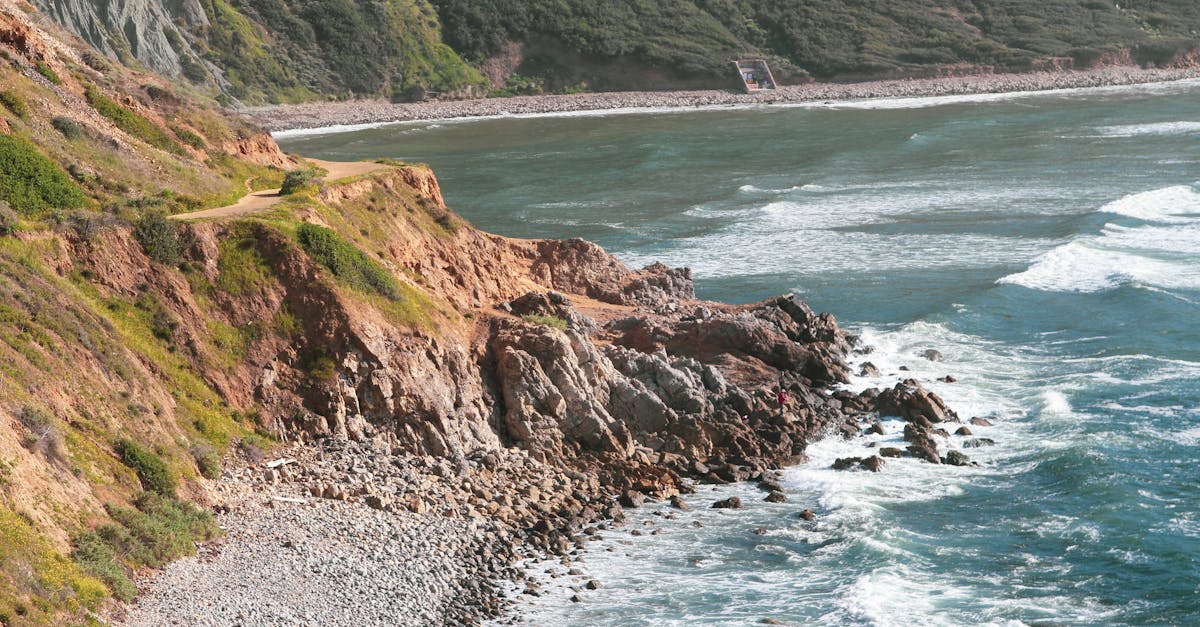
3 JUL 2027
Ultra Trail Côte d'Azur Mercantour
Saint-Martin-Vésubie, France
5 JUN 2027
6 Jours de France – Gérard Cain
Vallon-Pont-d'Arc, France
AUG (est.)
PTL - La Petite Trotte à Léon
Chamonix, France
15 JUL 2027
Ut4M 180 Xtrem
Grenoble, France
Frequently Asked Questions
How long is 90km du Mont-Blanc? +
90km du Mont-Blanc is a 88km (88km) ultra marathon with 6,200m of elevation gain. The course is loop on trail terrain.
How hard is 90km du Mont-Blanc? +
90km du Mont-Blanc is rated challenging with a Challenge Rating of 63/100 (Demanding). The DNF rate is 36%. Runners have 24 hours to finish.
How do I enter 90km du Mont-Blanc? +
Entry is by lottery. Entry costs €140. with a maximum of 1000 starters.
What is the weather like at 90km du Mont-Blanc? +
Average temperature is 14°C (range 8°C to 21°C). Rain falls on about 42% of days in the race month. June in the Chamonix valley averages a 21 C high and a 7.5 C low, and the course spends long stretches between 2,000 and 2,500 m. The organiser says weather can change quickly, with wind, rain and hot or cold spells.
Are crew and pacers allowed at 90km du Mont-Blanc? +
Crew access is allowed. Pacers are not allowed. Mandatory gear is required.
Are you the organizer? Claim this race
Stay in the loop
New races, course records, and stories from the trail — monthly