Gobi March is a 250km / 7 stages ultra marathon in Hami, China. Distance: 250km. Elevation: 2,500m D+. Difficulty: brutal (Challenge Rating 56/100). DNF rate: 15%. Time limit: 60h. Surface: sand. Established 2003.
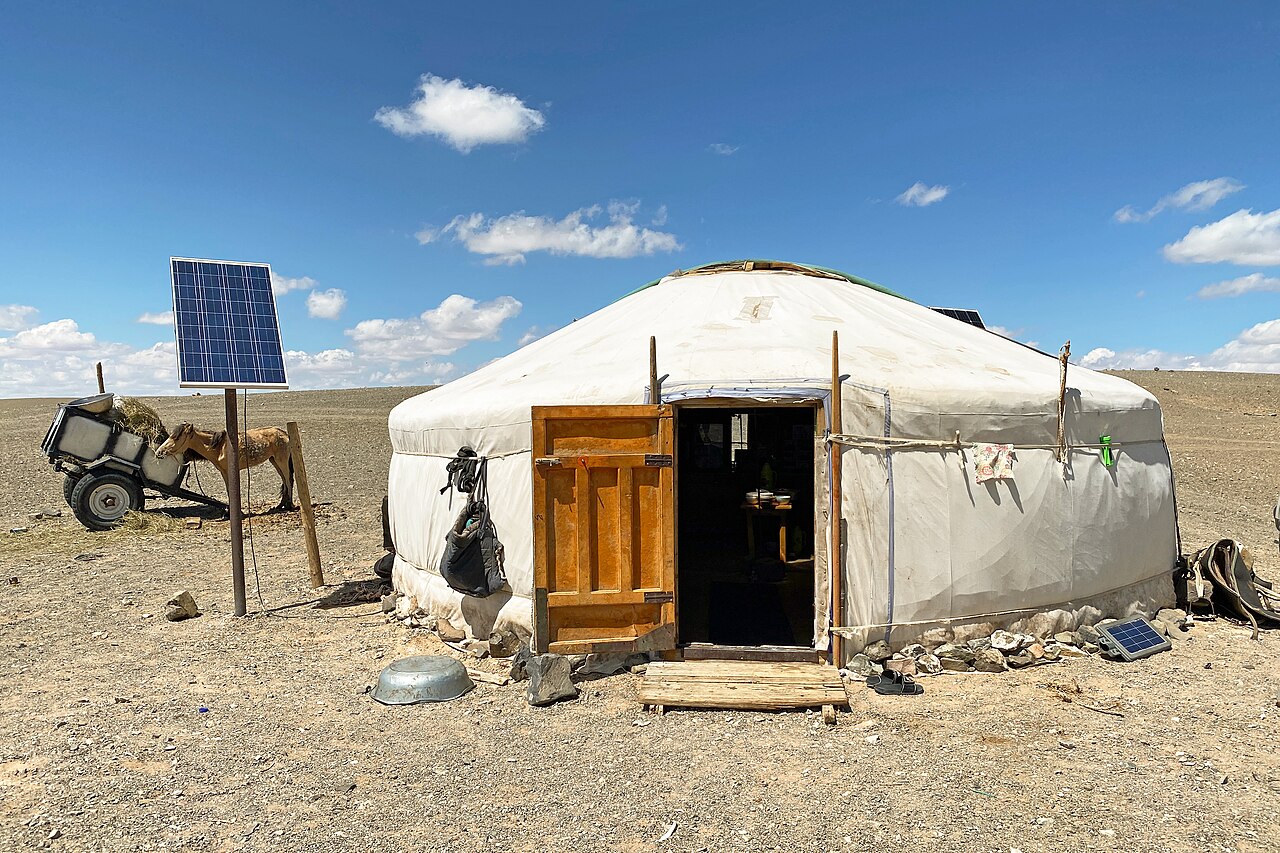
Gobi March
Hami, Xinjiang, China
"250km self-supported through the Gobi Desert — extreme heat, sand dunes, and the Silk Road."
A 250km self-supported stage race through China's Gobi Desert — part of the legendary 4 Deserts Grand Slam series.
The Course
A 7-day, 250km self-supported stage race through the Gobi Desert in northwestern China. Part of the 4 Deserts series, the race crosses sand dunes, dried riverbeds, rocky desert, and gravel plains. Runners carry all their food and gear; water and tents are provided.
hilly
point-to-point
3
1,500m
Runner Experience
Self-supported race — runners carry all supplies. Checkpoints for timing and safety only.
Intimate finish in a remote setting. The camaraderie of shared hardship creates deep bonds between finishers.
Race Day Weather
30°C
15° – 42°
15%
5%
Gobi Desert summer. Extremely hot during the day, cold at night. Sand and dust storms possible. Virtually no shade.
Stats & Records
2003
120
42:00:00
22:00:00
Rachid El Morabity (2019)
28:30:00
Fiona Oakes (2018)
Entry
$3400
August
months
Lore & Trivia
The Gobi March crosses 250km of the Gobi Desert in China — one of the most remote and extreme landscapes in Asia. The self-supported multi-stage format sends runners through wind-scoured gravel plains, red sandstone canyons, and the ruins of ancient Silk Road outposts. The Gobi is not a sand desert — it's a vast expanse of rocky steppe and wind-blasted terrain at 1,000-1,500m elevation, where summer temperatures soar and winter brings -40°C. The race connects runners to one of Asia's great historical landscapes: the route follows paths that Marco Polo, Genghis Khan's armies, and Silk Road merchants once travelled.
- ▸ 250km self-supported through China's Gobi Desert.
- ▸ Part of the 4 Deserts Race Series.
- ▸ The Gobi is rocky steppe, not sand — a common misconception.
- ▸ Follows ancient Silk Road routes — Marco Polo and Genghis Khan country.
- ▸ Extreme temperature variations: 40°C days, freezing nights.
- ▸ The race passes ruins of Han Dynasty watchtowers.
- ▸ One of the most remote races in the 4 Deserts series.
The Gobi is the desert you didn't know existed. Not sand dunes — endless rocky steppe under the biggest sky you've ever seen.
Compare with another race
Similar Races
27 JUN 2026
Gobi March (4 Deserts)
Jiayuguan, China
17 MAY 2026
Gaoligong by UTMB
Tengchong, China
27 JUN 2026
Gobi Desert 100
Dunhuang, China

9 MAY 2026
Great Wall Marathon Ultra
Huangyaguan, China
Frequently Asked Questions
How long is Gobi March? +
Gobi March is a 250km / 7 stages (250km) ultra marathon with 2,500m of elevation gain. The course is point-to-point on sand terrain.
How hard is Gobi March? +
Gobi March is rated brutal with a Challenge Rating of 56/100 (Challenging). The DNF rate is 15%. Runners have 60 hours to finish.
What is the weather like at Gobi March? +
Average temperature is 30°C (range 15°C to 42°C) with 15% humidity and a 5% chance of rain. Gobi Desert summer. Extremely hot during the day, cold at night. Sand and dust storms possible. Virtually no shade.
Are crew and pacers allowed at Gobi March? +
No crew access is permitted. Pacers are not allowed. Mandatory gear is required.
What is the course record for Gobi March? +
The men's course record is 22:00:00 set by Rachid El Morabity in 2019. The women's course record is 28:30:00 set by Fiona Oakes in 2018.
What is the average finish time for Gobi March? +
The average finish time is 42:00:00. About 120 runners finish each year. The DNF rate is 15%.
Are you the organizer? Claim this race
Stay in the loop
New races, course records, and stories from the trail — monthly