Transvulcania Ultramarathon is a 74km ultra marathon in Los Llanos de Aridane, Spain. Distance: 74km. Elevation: 4,350m D+. Difficulty: challenging (Challenge Rating 53/100). DNF rate: 15%. Time limit: 16h. Surface: trail. Established 2009.
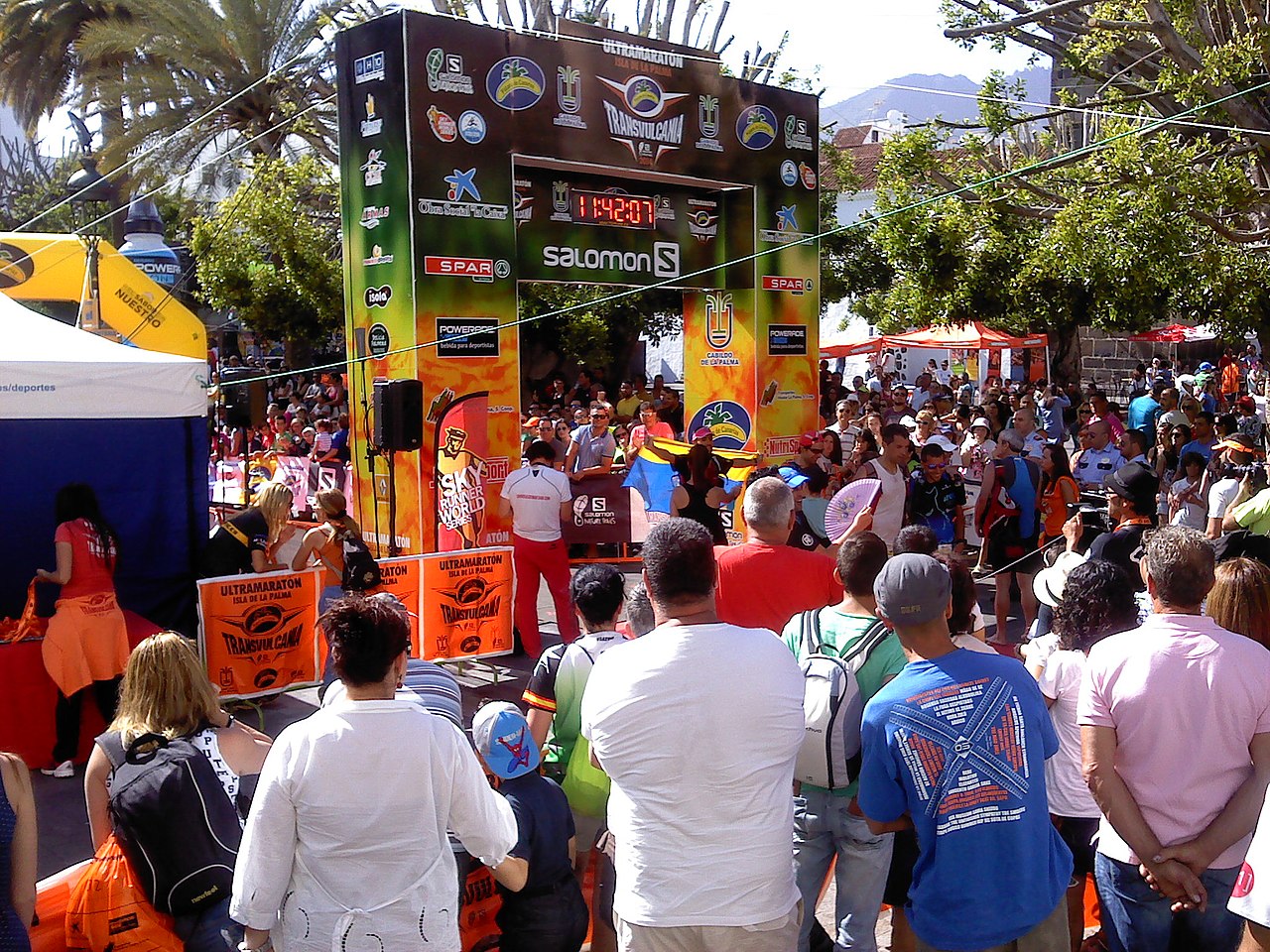
Transvulcania Ultramarathon
Los Llanos de Aridane, Canary Islands, Spain
"74km from sea to volcanic summit on La Palma. Kilian's playground."
A volcanic island ultra on La Palma — from sea level to 2,426m.
The Course
A 74km ultra traversing the volcanic spine of La Palma — the steepest island in the world — from the lighthouse at Fuencaliente to the port of Los Llanos. The route climbs through the Caldera de Taburiente (a massive volcanic crater) via technical switchbacks, crosses the Roque de los Muchachos ridge at 2,426m (home to the world's most powerful telescope), and descends 2,400m to the finish through lava tubes and pine forest. Vertical in the truest sense.
mountainous
point-to-point
7
2,426m
Runner Experience
Standard aid station support with food, drinks, and basic medical assistance at regular intervals.
A legendary finish line atmosphere. Transvulcania Ultramarathon is a bucket-list race with celebrations that match its reputation.
Race Day Weather
18°C
4° – 30°
50%
10%
From hot coast to freezing volcanic summit. Three climate zones.
Stats & Records
2009
1,500
11:30:00
Entry
€80
November
days
Lore & Trivia
Transvulcania on La Palma was the first Canary Islands ultra to achieve international fame — a Skyrunning classic that draws the world's best mountain runners to the steepest island in the world. The course climbs from Fuencaliente lighthouse (sea level) to the Roque de los Muchachos observatory (2,426m) through pine forest and volcanic badlands, then descends to the port in a quad-destroying 2,400m plunge. La Palma's 2021 volcanic eruption added new terrain to the island, and the race has adjusted its route to incorporate the landscape that the Cumbre Vieja eruption created.
- ▸ Kilian Jornet's 2014 course record of 6:52 is considered one of the greatest ultra trail performances.
- ▸ La Palma erupted volcanically in 2021, adding fresh lava fields near the course.
- ▸ Three distinct climate zones from coast to summit.
- ▸ Established in 2009.
- ▸ Total elevation gain: 4350m.
La Palma is the steepest island on earth. Transvulcania goes from the lighthouse to the observatory — sea level to 2,426m and back.
Compare with another race
Similar Races
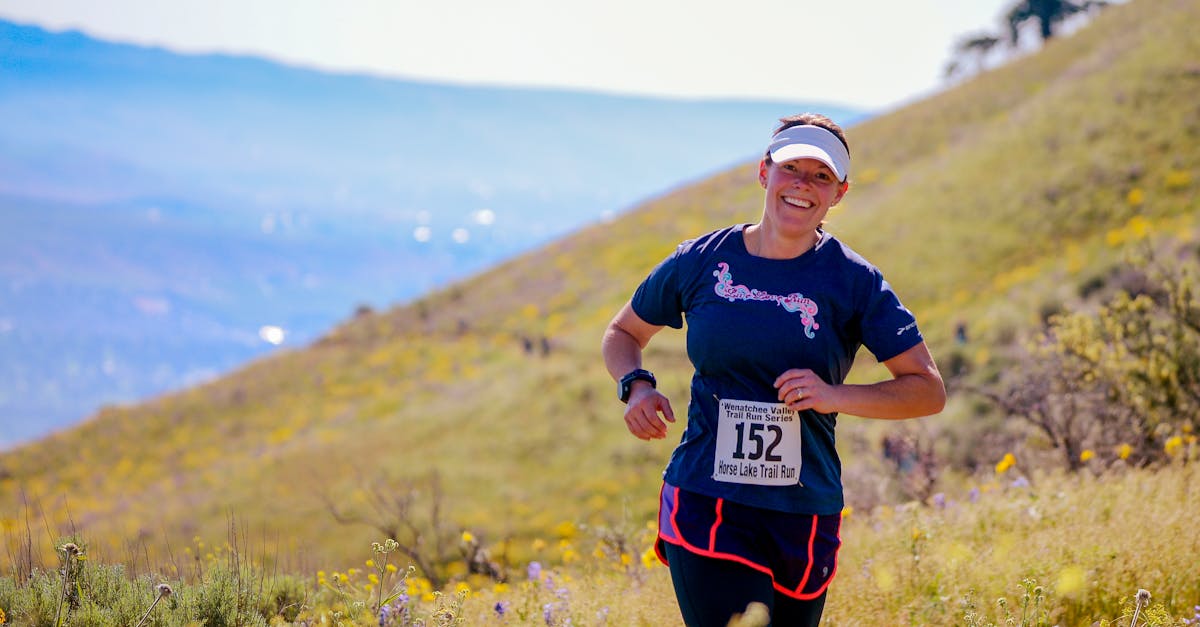
18 APR 2026
Penyagolosa Trails MiM
Castellón de la Plana, Spain
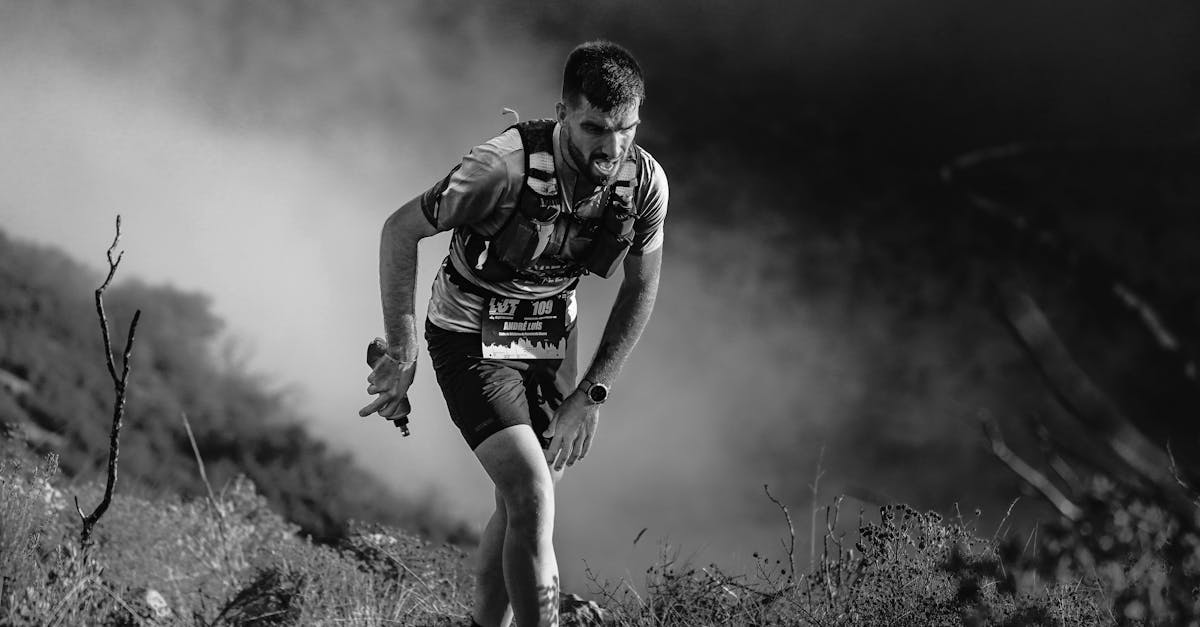
12 APR 2026
Salomon Ultra Pirineu
Bagà, Spain
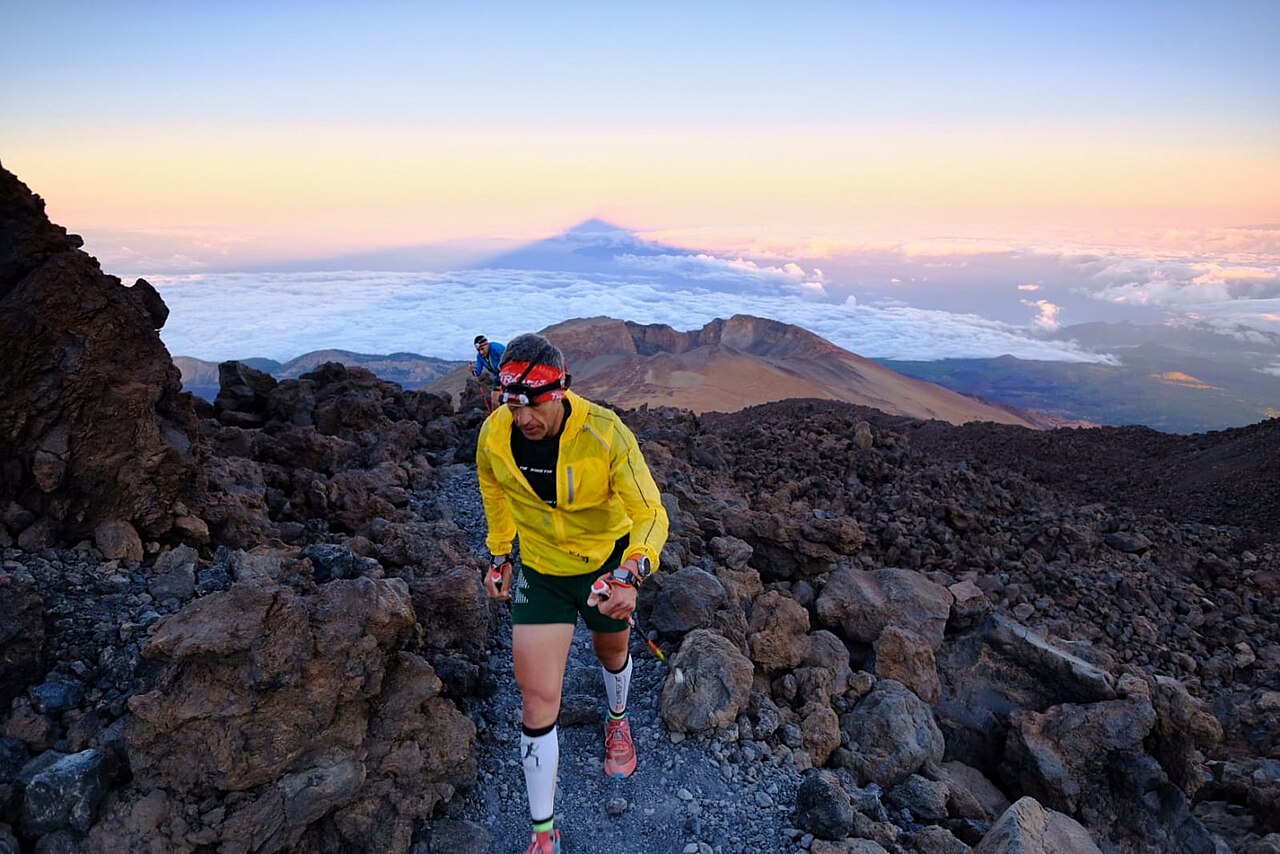
19 APR 2026
Tenerife Bluetrail
Puerto de la Cruz, Spain

12 APR 2026
Ultra Sierra Nevada
Granada, Spain
Frequently Asked Questions
How long is Transvulcania Ultramarathon? +
Transvulcania Ultramarathon is a 74km (74km) ultra marathon with 4,350m of elevation gain. The course is point-to-point on trail terrain.
How hard is Transvulcania Ultramarathon? +
Transvulcania Ultramarathon is rated challenging with a Challenge Rating of 53/100 (Challenging). The DNF rate is 15%. Runners have 16 hours to finish.
What is the weather like at Transvulcania Ultramarathon? +
Average temperature is 18°C (range 4°C to 30°C) with 50% humidity and a 10% chance of rain. From hot coast to freezing volcanic summit. Three climate zones.
Are crew and pacers allowed at Transvulcania Ultramarathon? +
No crew access is permitted. Pacers are not allowed. Mandatory gear is required.
What is the average finish time for Transvulcania Ultramarathon? +
The average finish time is 11:30:00. About 1,500 runners finish each year. The DNF rate is 15%.
Are you the organizer? Claim this race
Stay in the loop
New races, course records, and stories from the trail — monthly