Spartathlon is a 246km ultra marathon in Athens, Greece. Distance: 246km. Elevation: 1,200m D+. Difficulty: brutal (Challenge Rating 46/100). DNF rate: 55%. Time limit: 36h. Surface: road. Established 1983.
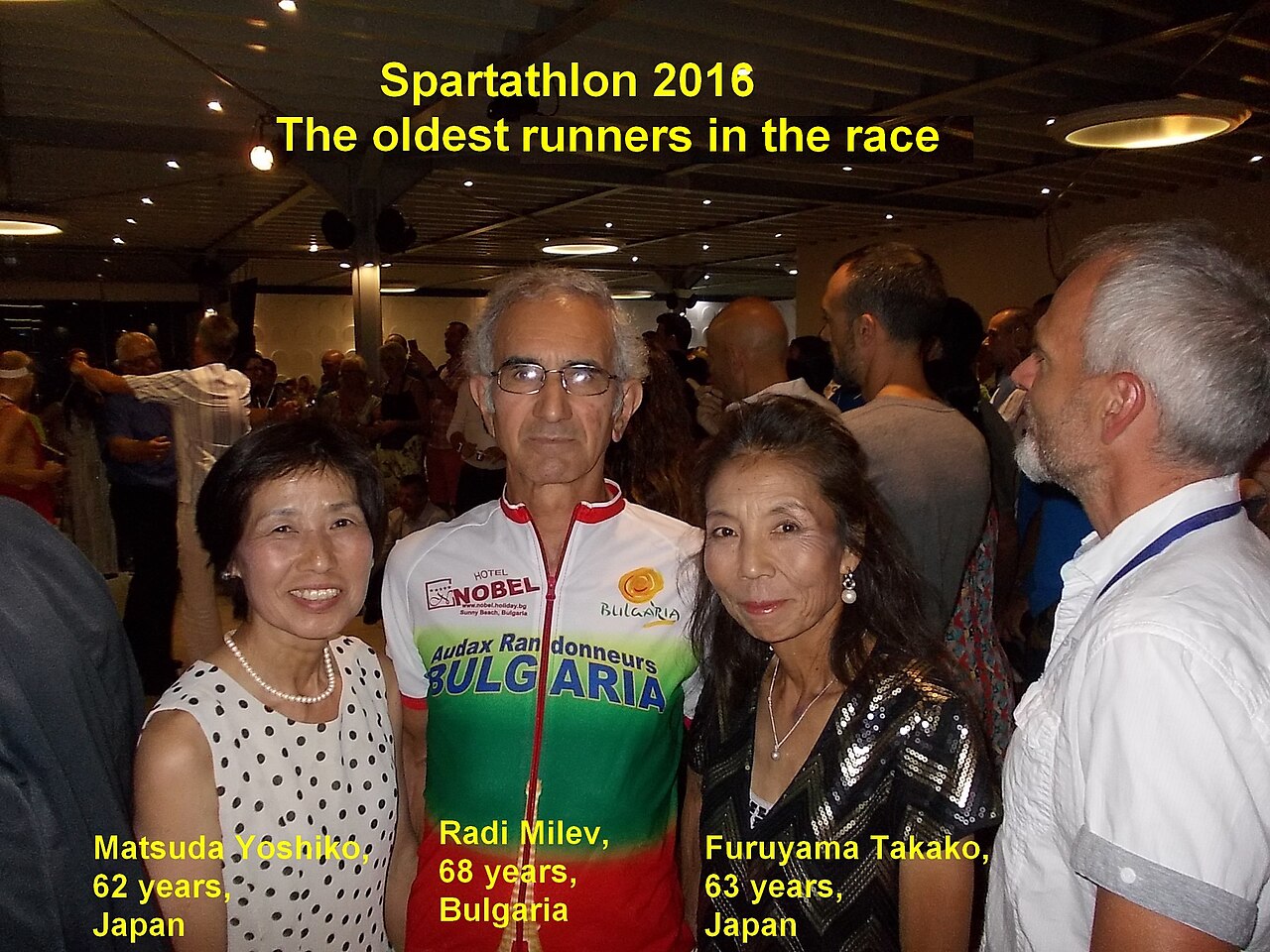
Spartathlon
Athens, Greece
"246km from Athens to Sparta — retracing the steps of Pheidippides from 490 BC. 55% DNF rate."
The most historically significant ultramarathon in the world — a 246km road race from Athens to Sparta following an ancient route.
The Course
From Athens to Sparta, following the legendary route of Pheidippides who ran from Athens to Sparta in 490 BC to request military aid before the Battle of Marathon. The course crosses the Corinth Canal, climbs over the 1200m Parthenion Pass at night, and descends to Sparta. Brutally hot and relentlessly exposed.
rolling
point-to-point
75
1,200m
Runner Experience
Well-supported with 75 aid stations. Frequent access to food, drinks, and medical support throughout the course.
A legendary finish line atmosphere. Spartathlon is a bucket-list race with celebrations that match its reputation.
Race Day Weather
28°C
18° – 38°
55%
10%
Late September Greek heat. Daytime temperatures above 35°C are common, with significant sun exposure on road sections.
Stats & Records
1983
120
30:00:00
20:25:00
Yiannis Kouros (1984)
24:48:18
Patrycja Bereznowska (2017)
Entry
€350
January
—
Lore & Trivia
Spartathlon is the race that proves an ancient legend true. In 490 BC, the Athenian messenger Pheidippides reportedly ran from Athens to Sparta — 246km in under 36 hours — to request military help before the Battle of Marathon. For centuries, historians debated whether the feat was physically possible. In 1982, British RAF officer John Foden and four colleagues set out to find out by running the route themselves. They made it. The next year, the first official Spartathlon was held. The 246km course from Athens to Sparta follows Pheidippides' ancient route through the Greek countryside — crossing the Corinth Canal, climbing the 1,200m Sangas Pass by night, and descending to the Eurotas Valley where Sparta sits. The race is brutally simple: one road, 75 checkpoints with strict time cutoffs, 36 hours. The Greek heat, the mountain pass in darkness, and the relentless checkpoints break 60-70% of starters every year. Those who reach the statue of Leonidas in Sparta and touch its base have earned one of ultrarunning's most meaningful finishes.
- ▸ Recreates Pheidippides' 490 BC run from Athens to Sparta — 246km in under 36 hours.
- ▸ The legend was proven possible in 1982 when five British RAF officers ran the route.
- ▸ DNF rate typically exceeds 60% — the time cutoffs at 75 checkpoints are unforgiving.
- ▸ The 1,200m climb over the Sangas Pass happens at night — the race's crux.
- ▸ Finishers touch the base of the statue of King Leonidas in Sparta.
- ▸ Yiannis Kouros won the race 4 times, including his legendary 1984 performance.
- ▸ Greek hospitality along the route is extraordinary — villagers offer water, fruit, and encouragement.
- ▸ The race follows actual roads through modern Greece — runners share the road with traffic.
Spartathlon is not about running 246 kilometres. It is about running the same 246 kilometres that Pheidippides ran. That's the difference.
Notable Editions
Kouros Announces Himself
Greek-Australian Yiannis Kouros won the second edition in an astonishing 20:25:00 — a time that seemed impossible for 246km and remains close to the current course record decades later. Kouros would go on to become the greatest ultra distance runner of all time.
Compare with another race
Similar Races
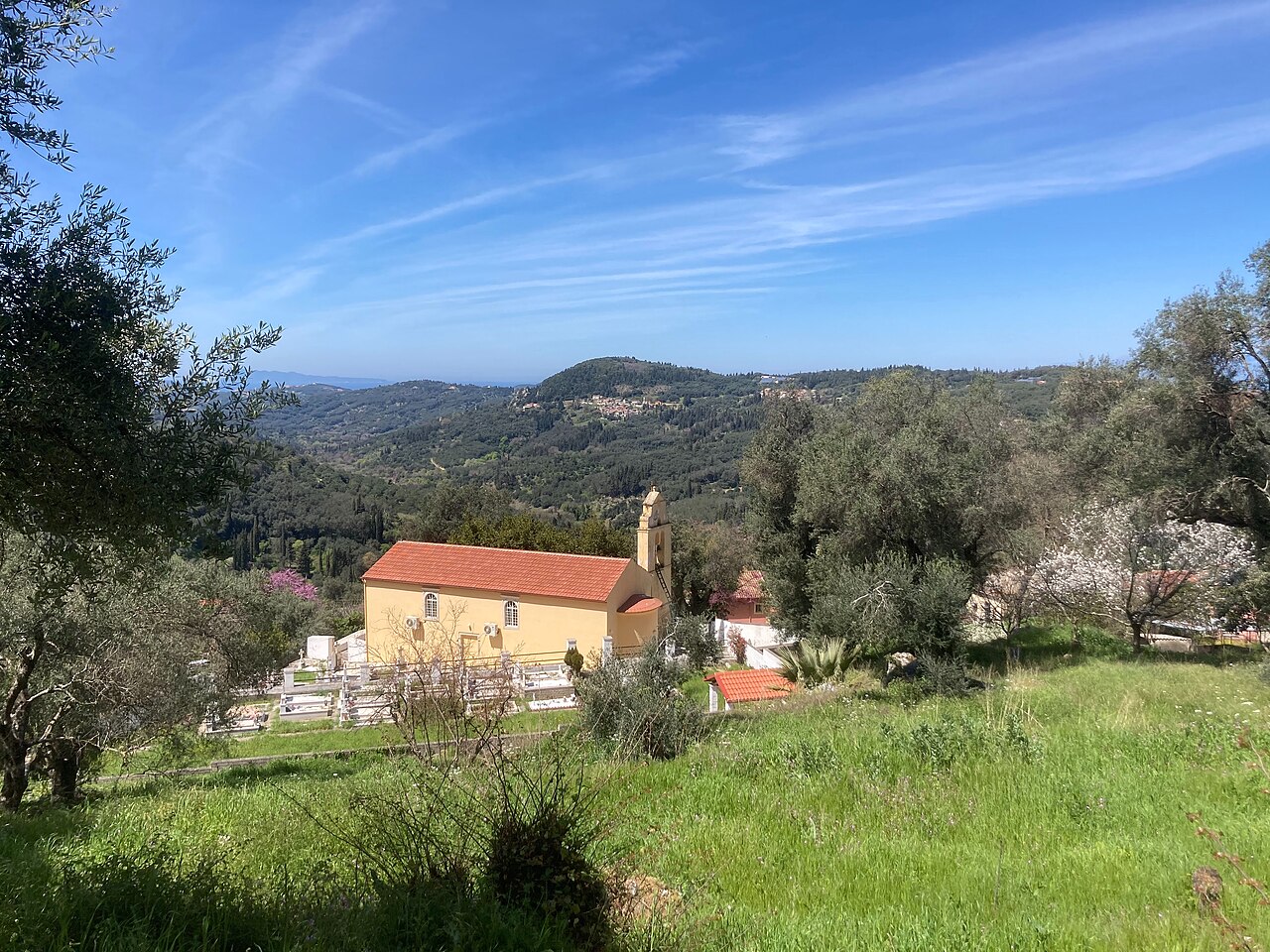
23 MAY 2026
Corfu Mountain Trail
Corfu Town, Greece
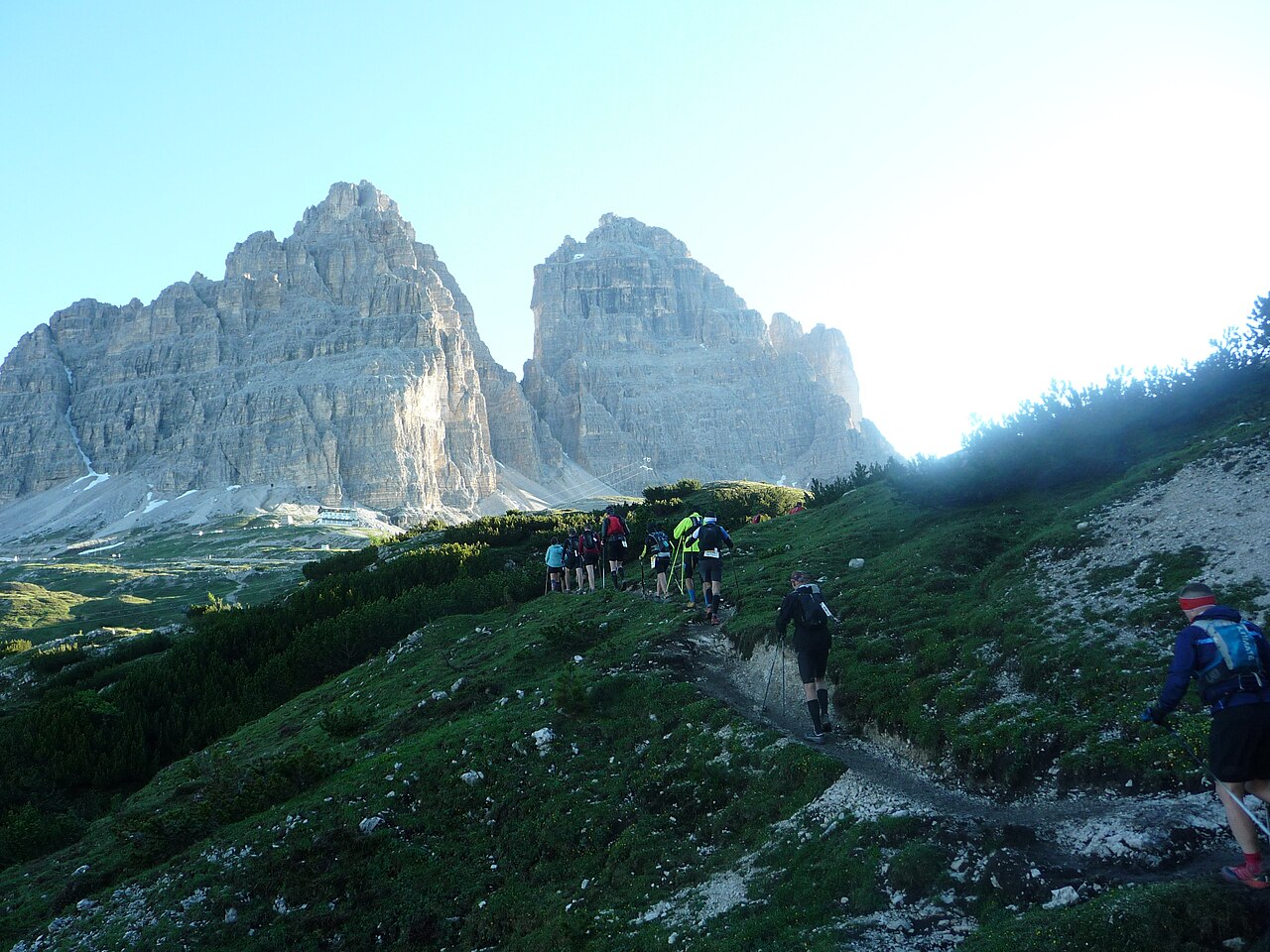
24 JUN 2026
Lavaredo Ultra Trail
Cortina d'Ampezzo, Italy
28 FEB 2027
Rovaniemi 150
Rovaniemi, Finland
20 SEP 2026
Tor des Géants
Courmayeur, Italy
Frequently Asked Questions
How long is Spartathlon? +
Spartathlon is a 246km (246km) ultra marathon with 1,200m of elevation gain. The course is point-to-point on road terrain.
How hard is Spartathlon? +
Spartathlon is rated brutal with a Challenge Rating of 46/100 (Challenging). The DNF rate is 55%. Runners have 36 hours to finish.
How do I enter Spartathlon? +
Must complete a qualifying 100km+ race within strict time limits.. Entry costs €350. with a maximum of 390 starters.
What is the weather like at Spartathlon? +
Average temperature is 28°C (range 18°C to 38°C) with 55% humidity and a 10% chance of rain. Late September Greek heat. Daytime temperatures above 35°C are common, with significant sun exposure on road sections.
Are crew and pacers allowed at Spartathlon? +
No crew access is permitted. Pacers are not allowed.
What is the course record for Spartathlon? +
The men's course record is 20:25:00 set by Yiannis Kouros in 1984. The women's course record is 24:48:18 set by Patrycja Bereznowska in 2017.
What is the average finish time for Spartathlon? +
The average finish time is 30:00:00. About 120 runners finish each year. The DNF rate is 55%.
Are you the organizer? Claim this race
Stay in the loop
New races, course records, and stories from the trail — monthly